When is the right time to give a blood transfusion?
6 Sep. 2017When is a blood transfusion considered? How low should the cell count be?
When the blood lacks enough healthy red blood cells or haemoglobin, anemia symptoms develop, typically fatigue, shortness of breath, weight loss, paler than normal skin, etc and a blood transfusion is considered.
There is no set haemoglobin level at which a blood transfusion is given, but your doctor will assess your symptoms and you will decide together.
Prof. David Bowen says in a recent article:
I often delve back deep into the case notes to try to find a ‘normal’ haemoglobin level for that individual from many years before their diagnosis. I think that it helps to say to a patient for example ‘you are 30% down on your normal haemoglobin so it’s not surprising that you are feeling the effects’. This also helps us both to understand that the patient may have meaningful symptoms of anaemia despite their haemoglobin level being higher than that recommended for active treatment in the guidelines that we follow.
How often can a patient have a blood transfusion?
How often you have transfusions will vary between patients; some need transfusions every few months whilst others need one every every couple of weeks. Very often, once a patient has started having regular blood transfusions, the length of time between transfusions will gradually get shorter.
We asked Prof. Bowen if there is a limit on how often a patient could have blood transfusions. Prof. Bowen replied:
The simple answer is that there is no limit.
If blood transfusions are becoming considerably more frequent then the doctor needs to consider if there could be an explanation in addition to the MDS such as bleeding (usually internal) or the red blood cells being destroyed more quickly (haemolysis). These may be able to be treated and the transfusions will then reduce. However by far the most common situation is that the red blood cell production from the bone marrow gets poorer and poorer with time in some patients. We will transfuse as often as is needed to maintain acceptable quality of life and we often transfuse patients every 2 weeks and sometimes weekly. There is a move towards thinking about more frequent transfusions with fewer bags each time as this mimics the normal situation better without the big peaks and troughs of energy gain then energy deterioration.
Blood transfusions lead to (temporary) improvements in a patient’s quality of life

The potential side effect of blood transfusions: Iron Overload
With every unit of blood you receive from a transfusion, you will receive an excess amount of iron. Over time this can accumulate in your body and could possibly cause damage to certain organs, like your heart or liver.
There is still considerable uncertainty whether too much iron in your body is always harmful. The level of iron in your body should be checked regularly, especially when you are on a regular transfusion program and you may need treatment for the build-up of excess iron. This is called iron chelation. There is currently uncertainty about the benefits of removing iron. Whether you are offered iron chelation treatment or not will depend on the likely benefits versus the likely disadvantages in your
individual case. This will be discussed with you before you make a decision to start iron chelation.
Some patients will develop complications that could be related to iron overload such as heart failure, liver abnormalities and diabetes, but these complications have other causes in older age, and it is always difficult to be certain how much iron overload is responsible, and we have drugs that can effectively remove iron from the body.
More information about transfusions on MDS UK
- For a clear, easy-to-follow explanation of this complex topic, watch Nurse Kelly Nwankiti’s presentation on Understanding Blood Transfusions.
-
To learn more about how blood transfusions are used to manage anaemia in people with MDS, and to hear insights from Dr Matt Poynton, visit our dedicated page on Blood, or Red Cell, Transfusions.
Free NHS App for Blood Transfusion Patients
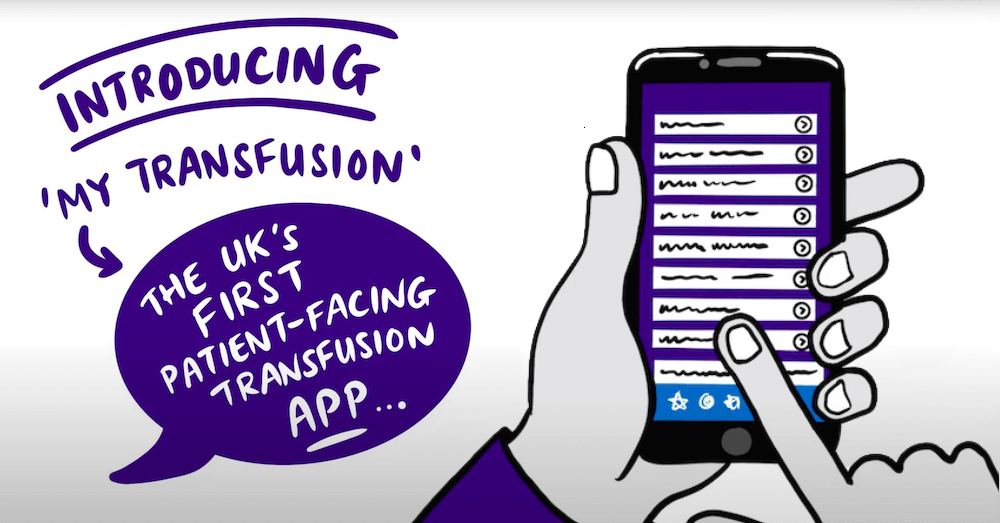
My Transfusion is a new NHS-supported app created by SHOT (Serious Hazards of Transfusion) to help patients and carers better understand blood transfusions and feel more confident in their care.
The app includes:
-
Key information about blood transfusions
-
Alternatives to transfusion
-
Consent and preparation guidance
-
Safety checks and recognising reactions
-
Post-transfusion advice